What does a buyer actually get for their money on a 59-acre lake two miles south of Alexandria, compared to the much larger lake at the center of Mitchell's own drawdown project this fall? The size comparison is the first number most people reach for, and it is close to useless. Lake Hanson's real estate math does not run on acreage. It runs on scarcity, on a fishery that behaves differently than a swimming lake, and on a decade-old pattern of overflow demand that is about to matter again.
If you are cross-shopping Mitchell against Alexandria for a lake-adjacent property this fall, the acreage figure will mislead you before the first showing.
The Listing That Makes the Case Concrete
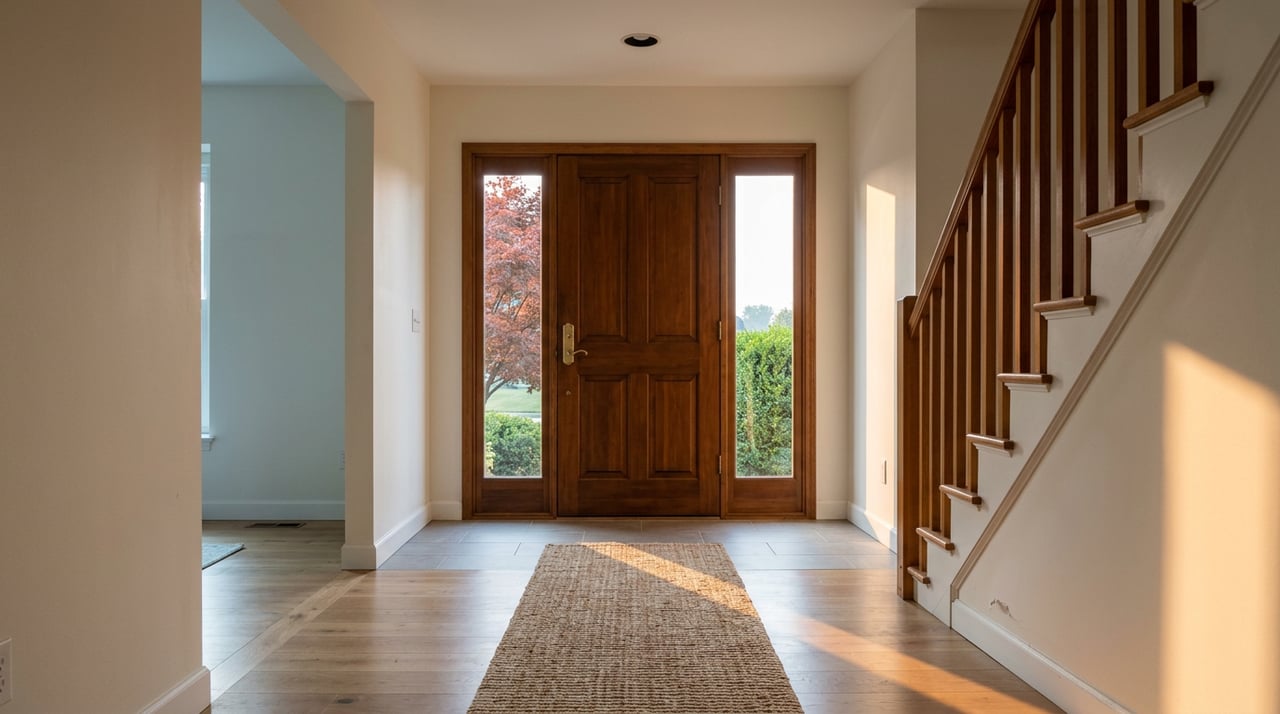
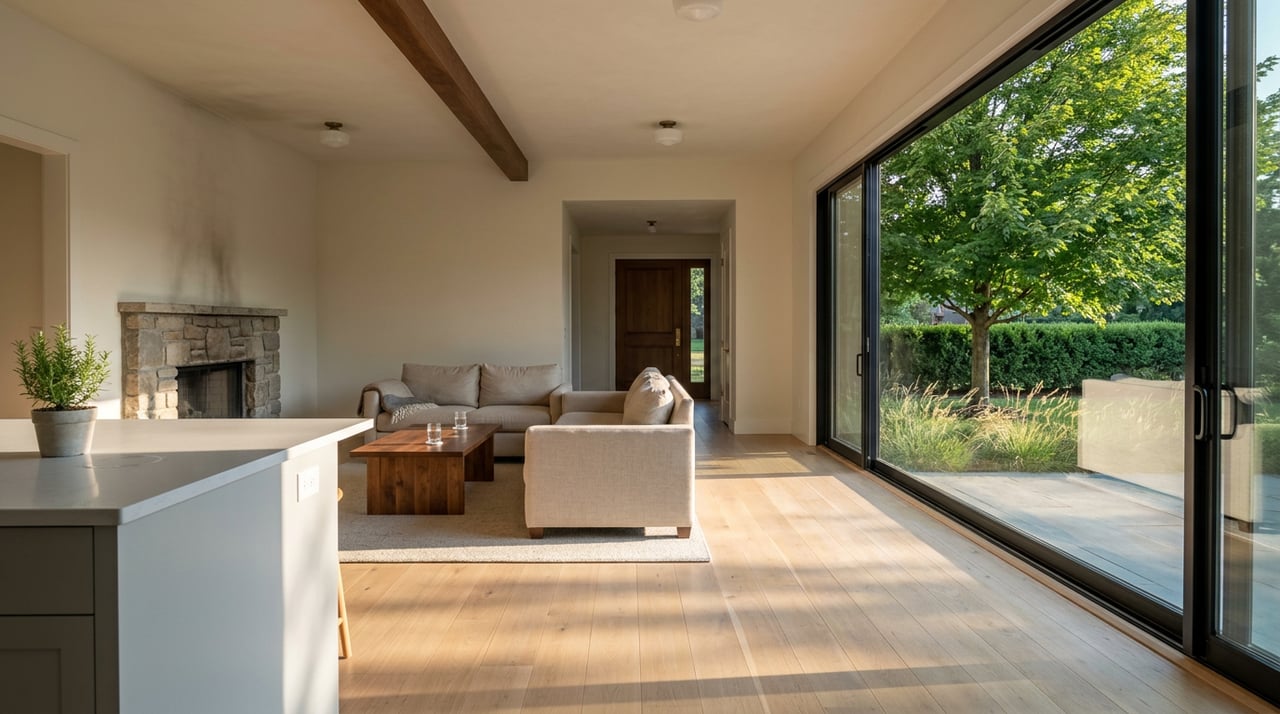
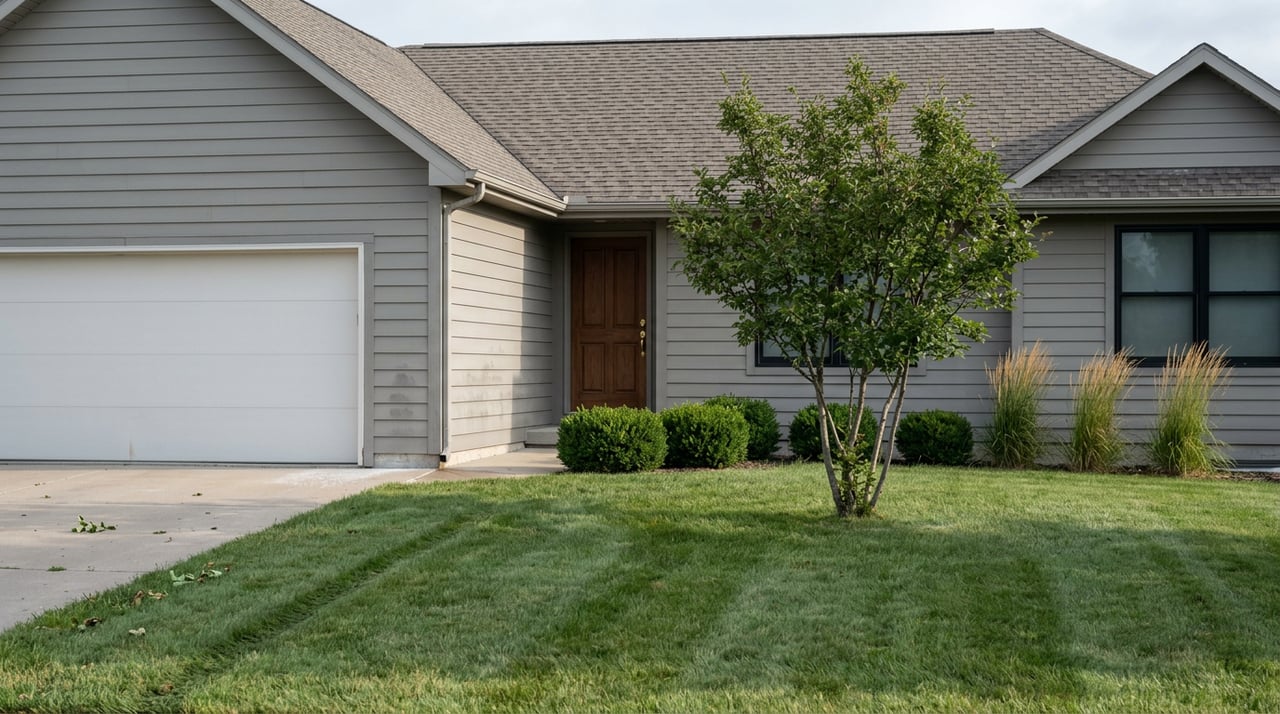
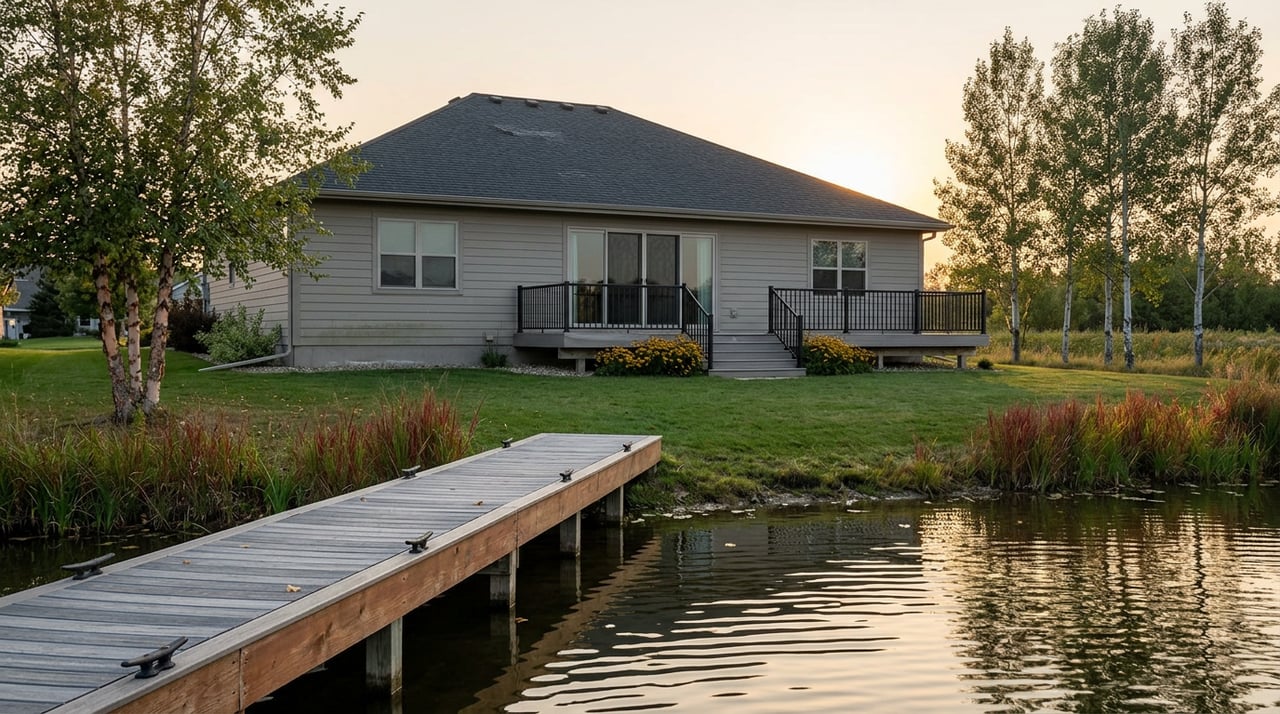
There is currently one active lakefront listing on North Shore Drive at Lake Hanson, handled through Mitchell Realty LLC. It sits on just under an acre, runs about 3,000 square feet, carries four bedrooms and two and a half baths, and is priced at $550,000.
Run the math on that listing and something worth noticing shows up. Divide the price by the square footage and you land at roughly $183 per square foot. Compare that to Mitchell's own citywide median listing price per square foot for June 2026, which came in at $205, up more than 10 percent year over year according to Realtor.com data reported by Mitchell Now. A buyer looking only at the median headline would assume lakefront costs a premium over the general Mitchell market. In this case, on a price-per-square-foot basis, it does not.
That is not proof the entire Lake Hanson market runs cheaper than Mitchell's. It is one listing. But it is a real, current, verifiable data point that contradicts the assumption most buyers walk in with, and it is exactly the kind of number a median can hide.
Two Small Lakes, Two Different Kinds of Math
Before going further, it helps to see the two lakes side by side rather than as abstractions.
| Lake Hanson | Lake Mitchell | |
|---|---|---|
| Surface area | Just under 60 acres | Roughly 10 times larger at normal pool level |
| Managed fishery | Crappie and saugeye, with saugeye stocking that began in 2022 | Multi-species, larger-scale recreational lake |
| Average depth | About 6 feet | Deeper, larger swim and boat zone |
| Current status | Stable, unaffected by any drawdown | Entering a multi-year drawdown project starting this fall |
| Listing pattern | Thin, often off-portal or FSBO | Active MLS inventory, city-adjacent |
The depth and fishery numbers come from South Dakota Game, Fish and Parks' own 2024 survey summary of the lake. They are not marketing copy. They describe a shallow prairie reservoir stocked and managed for crappie and saugeye rather than the kind of open-water boating and swimming scene a bigger lake supports.
Why 59 Acres Is the Wrong Number
A buyer who sees "59 acres" and mentally files Lake Hanson as a smaller, cheaper version of Lake Mitchell is making a category error. The two lakes are not scaled versions of the same product. Lake Hanson is built around a stocked fishery. Its average depth of around 6 feet and a listed maximum near 15 feet mean it behaves differently on the water than a lake designed for wake sports or large-scale swimming beaches. The saugeye program that South Dakota Game, Fish and Parks began in 2022 tells you what the state itself expects people to be doing out there: fishing, quietly, from a smaller boat or the shoreline.
That changes what you are actually purchasing. A Lake Hanson property is not a discount ticket to Lake Mitchell's recreational scene shrunk down to fit a smaller number. It is a different kind of lake life entirely, one built around a boat ramp, a developed north shore with established lake homes, and an undeveloped south shore quiet enough that a paddler who cruised it years ago reported seeing no one else on the water for the better part of an hour, just wildlife and open shoreline.
The Precedent Nobody's Search Bar Surfaces
This is where the history matters more than the acreage. Reporting from Mitchell Republic a decade ago tracked a real shift in visitor patterns at Lake Hanson during a stretch when Lake Mitchell was dealing with algae and water quality problems. A lifeguard working the Hanson beach in 2016 and 2017 described visitor counts climbing from an estimated 20 people a day to as many as 50 on a good weekend, with boat traffic increasing alongside the foot traffic. City officials in Mitchell at the time acknowledged the odor and appearance problems at their own lake, even while noting they had no formal way to measure whether visitors were actually leaving for the smaller lake to the east.
A lake ten times smaller does not need to compete on size. It only needs to stay clean when the bigger lake can't.
That pattern is not ancient history dressed up as a trend. It is the closest thing available to a natural experiment showing what happens to demand at Lake Hanson when Lake Mitchell becomes less usable. And Lake Mitchell is heading into a two-year drawdown beginning this fall, a project the city has been telegraphing for months as it works through long-standing water quality concerns. Nobody can say with certainty that the same visitor shift repeats exactly as it did a decade ago. But the mechanism that produced it once, a smaller lake absorbing demand that a bigger one temporarily can't serve, has not gone away. If anything, a multi-year drawdown gives that mechanism more time to work than a single bad algae season did.
What the State's Own Water Data Says, and Doesn't
It is worth being precise here, because South Dakota's statewide water quality picture is not encouraging on its face. The state's 2026 surface water report found that 73 percent of assessed lake acres statewide failed to support one or more of their designated beneficial uses, with mercury contamination cited as the leading cause, according to reporting from South Dakota Searchlight. That is a real number and it deserves acknowledgment.
But a statewide percentage tells you almost nothing about any single lake. Mercury contamination in fish tissue, the state's dominant impairment category, is a different problem from the algae and odor issues that pushed people off Lake Mitchell's beaches in 2017. A buyer evaluating Lake Hanson specifically should ask lake-specific questions rather than assume a scary statewide figure applies evenly everywhere. The right due diligence is local: what does the current fishery survey say, what does the water look like at the public swimming area, and has anyone measured chlorophyll or algae activity recently at this particular lake. Treating a state-level average as a verdict on one 59-acre reservoir is exactly the kind of shortcut that misprices a specific property.
What This Means Before You Write an Offer
For a buyer seriously comparing Alexandria's lake option against anything in Mitchell this fall, a few things follow directly from the numbers above.
- Expect the Lake Hanson market to run thin and often off traditional listing portals. The one current active listing came through as a for-sale-by-owner arrangement, not a standard MLS rollout, which means comps will be harder to find and patience matters more than usual.
- Do not assume lakefront automatically costs more per square foot than the general Mitchell market. Check the actual price-per-square-foot math on any specific listing rather than defaulting to the premium assumption.
- Ask what the property is actually built for. A shallow, saugeye-stocked lake favors fishing and quiet water over wake sports, and a buyer expecting Lake Mitchell-style boating will be disappointed regardless of price.
- Watch the drawdown timeline at Lake Mitchell as a demand signal, not a certainty. History suggests interest in the smaller lake tends to rise when the bigger one is disrupted, but that is a pattern to monitor, not a guarantee to bank on.
- Get current, lake-specific water quality information rather than relying on statewide averages that describe a different kind of problem than the one that matters at Lake Hanson.
None of this makes Lake Hanson the obvious better buy. It makes the acreage number the wrong place to start the comparison. The real math runs through inventory scarcity, fishery type, and a decade-old demand pattern that a multi-year drawdown is about to test again.
If you are weighing a lakefront purchase in Alexandria against something in Mitchell this fall, the numbers above are a starting point, not the full picture. Mitchell Realty LLC works both markets directly and can walk through current listings, comps, and what a specific property on Lake Hanson is actually priced to deliver. Contact a local expert before you write an offer on either lake.