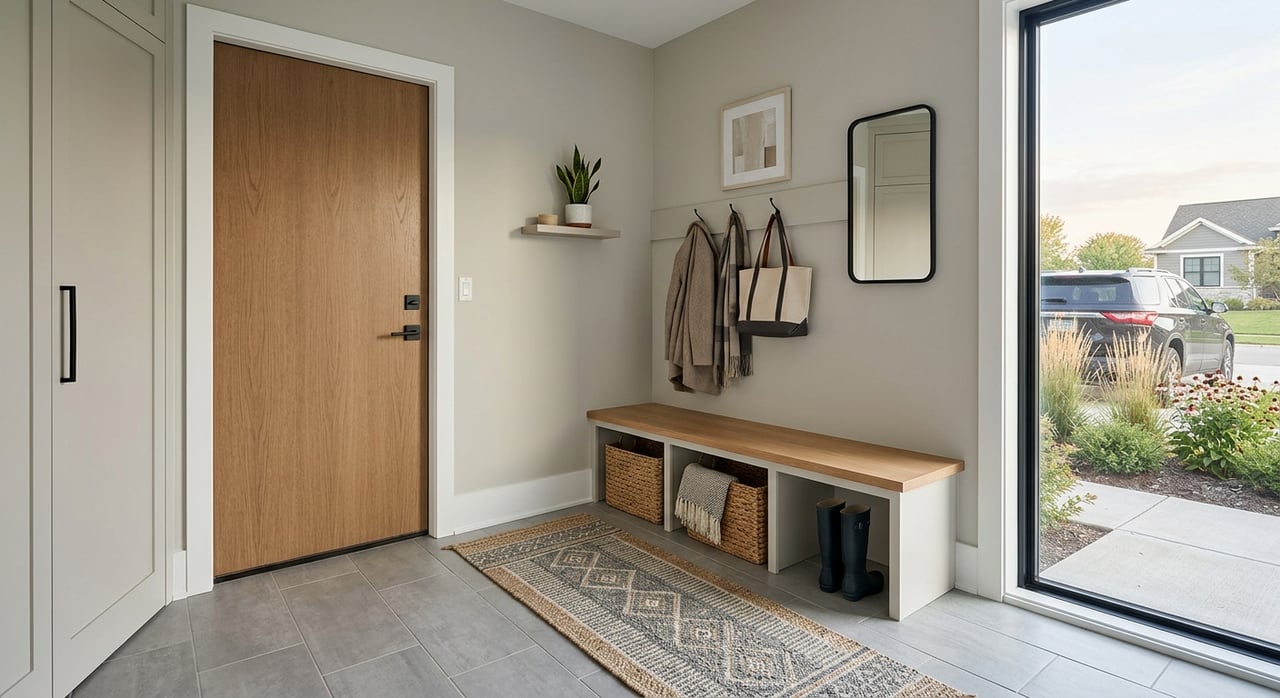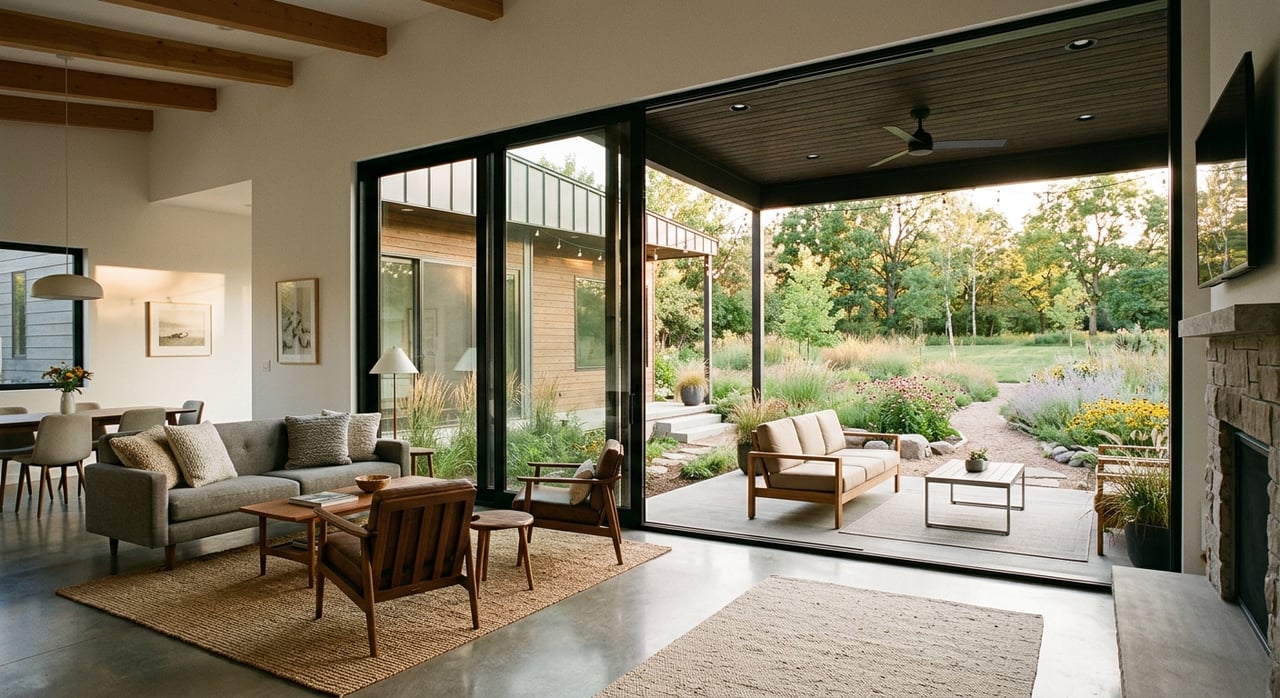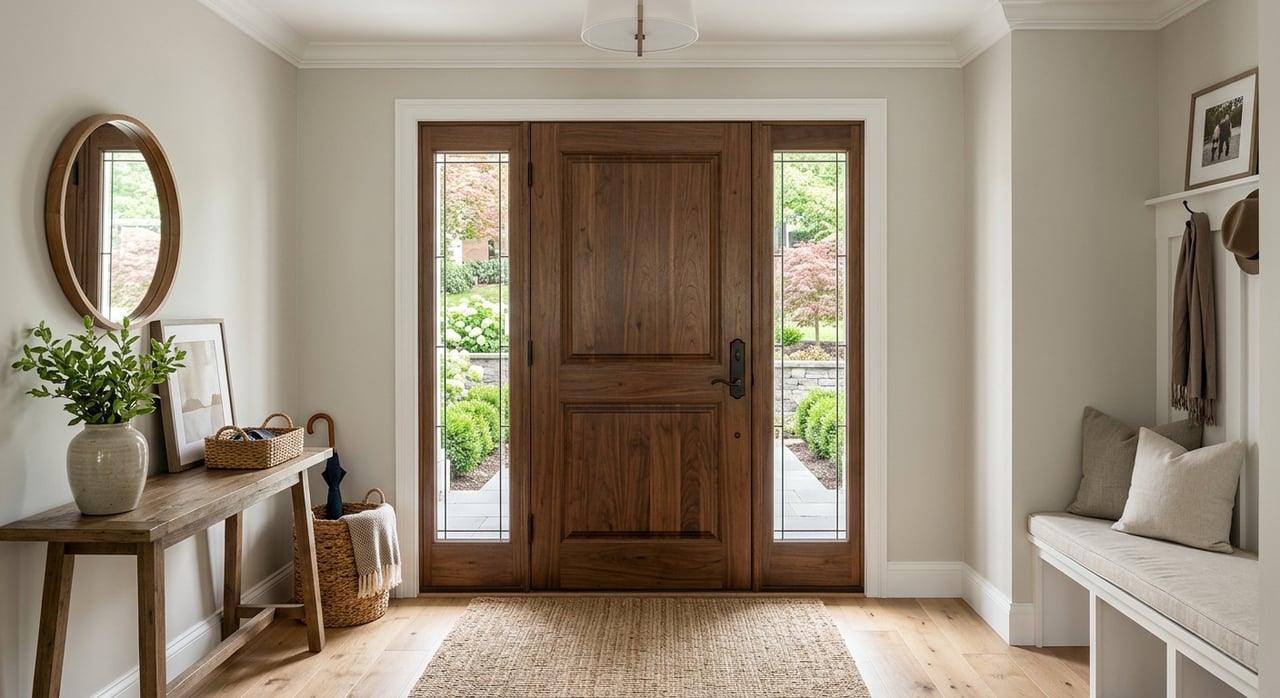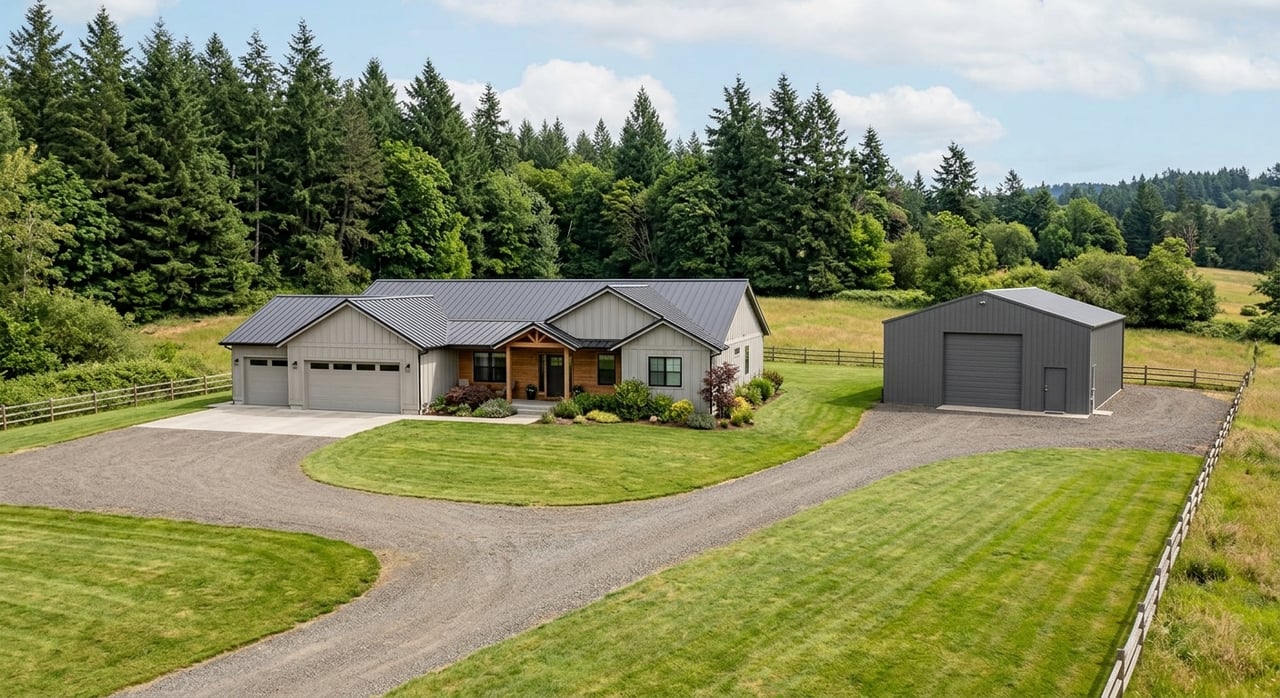
Dreaming about a little more space outside town? Owning acreage near Alexandria, South Dakota can offer room to spread out, add outbuildings, manage land, or simply enjoy a quieter rural setting. But acreage ownership also comes with more hands-on responsibility than many buyers expect. If you are thinking about buying rural property in Hanson County, this guide will help you understand what daily ownership can really look like and what to check before you buy. Let’s dive in.
Rural living near Alexandria
Acreage ownership near Alexandria has a distinctly rural feel because Hanson County is small, with a 2020 population of 3,461. Alexandria serves as the county seat, and many county functions are centered there, including records, taxes, permits, and other public services. That means even if your property feels private and wide open, your ownership still connects closely to county offices and rules.
This also shapes how services work day to day. County departments handle many functions that city residents may take for granted, including road maintenance, snow and ice removal on county and township roads, and public safety support through the Sheriff’s Office. When you own acreage here, your property may feel independent, but it still relies on a rural county structure.
Acreage can mean different things
Not every rural parcel near Alexandria works the same way. In Hanson County, zoning and parcel size help determine what a property is meant for and what uses may be allowed. A small rural homesite, a hobby farm, and a larger agricultural parcel can all look similar at first glance, but they often function very differently.
In the county’s agricultural district, permitted uses include agriculture, farms, ranches, orchards, utility facilities, single-family dwellings, farm buildings, drainage and irrigation systems, shelterbelts, and on-site signs. Accessory uses can also include roadside stands and home or farm occupations. That flexibility is appealing, but it does not mean every use fits every parcel.
A few local definitions matter early in your search. A farm, ranch, or orchard is defined as 20 acres or more. A hobby farm can include limited livestock or poultry if the kept area is large enough and the total does not exceed three animal units. In the residential district, the minimum lot area for single-family or two-family dwellings is 1 acre.
What you may find on a rural parcel
Acreage properties near Alexandria often include more than just a house and yard. Depending on the parcel, you may see structures and features that support rural use and maintenance.
Common features can include:
- A house with a garage, shop, sheds, or other accessory buildings
- Shelterbelts or windbreaks on more exposed land
- Space for limited livestock or farm-oriented uses where zoning allows
- Drainage, setback, or other county-regulated site conditions
These features can add function and value, but they also create more items to inspect and maintain. A shop may be useful, for example, but you still want to understand whether it was allowed, how it is served, and what condition it is in.
Utilities are more self-managed
One of the biggest shifts from town living to acreage ownership is how utilities work. Instead of city-managed systems, you are often responsible for your own water and wastewater setup. That means wells and septic systems become central parts of your due diligence.
In South Dakota, a licensed well driller is required unless you drill your own well. Each new domestic well must be sampled for bacteria and selected chemicals, including nitrate, coliform bacteria, sodium, conductivity, and sulfate. The state also recommends retesting after heavy rain, snowmelt, or flooding.
Septic matters just as much. South Dakota notes that about 25% of residents rely on on-site wastewater systems, and the state has installation requirements plus a certification program for installers. As a buyer, that makes it smart to ask who installed the system, how old it is, and whether pumping or maintenance records are available.
Drainage and access matter more than you think
On acreage, what happens outside the house can affect your ownership experience just as much as the home itself. Drainage, driveway access, and culverts are not minor details. In Hanson County, they are part of the larger ownership picture.
The county has a drainage ordinance, a drainage board, a drainage permit, and a driveway and culvert permit process. The county ordinances also include flood-damage prevention rules. For you, that means water movement across the property should be taken seriously before closing.
When you walk a parcel, pay attention to how water appears to move. Low areas, visible runoff paths, poorly placed culverts, or grading changes can affect both usability and future improvements. A property that looks fine in dry weather may behave very differently during snowmelt or heavy rain.
Weather is part of the ownership experience
Acreage ownership near Alexandria also means living with South Dakota’s weather in a more direct way. The state experiences large temperature extremes, with 100-degree days occurring nearly every year and very cold winter air masses also common. On open land, those swings are not abstract facts. They shape your maintenance routine.
Wind is a major factor as well. SDSU Extension notes that windbreaks and shelterbelts redirect wind rather than eliminate it. On exposed ground, wind erosion can begin at 12 to 15 miles per hour, so keeping soil covered and stable becomes an important part of stewardship.
This is one reason rural buyers often appreciate parcels with established shelterbelts or windbreaks. They can help with wind management and snow drifting, but they also need upkeep. Larger grassy areas, tree rows, and access lanes all take time and planning to maintain.
Maintenance is broader than a big yard
Many buyers expect more mowing with acreage. What surprises some people is how much broader the maintenance picture becomes once you own rural land. You are not just caring for a lawn. You are managing systems, access, and exposure.
Some of the most common upkeep tasks include:
- Managing larger grassy areas and shelterbelts
- Dealing with snow drifting on drives and access lanes
- Controlling erosion on exposed ground
- Monitoring well, septic, and drainage conditions
That does not make acreage ownership a bad fit. It simply means the property works best when your expectations match the reality of the land.
Zoning should be your first checkpoint
Before you fall in love with a parcel, confirm its zoning. In Hanson County, zoning affects what structures and activities may be allowed, and assumptions can lead to problems later. If you hope to add a shop, keep limited livestock, or use part of the property for a home-based activity, you need to verify those plans against the current classification.
Hanson County has an active zoning board, an official zoning ordinance, and an interactive zoning map. That gives buyers a practical way to confirm how a parcel is classified before moving forward. It is a simple step, but it can save a lot of frustration.
Tax classification can affect long-term cost
Property taxes are another major part of acreage ownership. In Hanson County, the Director of Equalization estimates market value for taxable property and handles adjustments, exemptions, and assessment appeals. For larger or more agricultural parcels, classification matters because it can affect how the property is assessed.
At the state level, agricultural land must be primarily devoted to agricultural pursuits and meet either an acreage requirement or a minimum gross-income test. The county acreage requirement can range from 20 to 160 acres, or land may qualify if it produced at least $2,500 of gross income from agriculture in three of the previous five years. Requests for agricultural land adjustment are due by September 1 for the next year’s assessment.
This issue is worth checking early because agricultural land in South Dakota is assessed on productivity value rather than standard market value. If you are buying acreage with long-term carrying costs in mind, tax classification should be part of the conversation from the start.
Records and legal access still matter
A rural drive-by can tell you a lot about a property’s setting, but it cannot confirm everything you need to know. The Hanson County Register of Deeds records plats, deeds, mortgages, liens, tax liens, and other land records, with some county records dating back to the early 1870s. For acreage buyers, these records are important for confirming legal details that may not be obvious on site.
This is especially helpful when reviewing easements, access, and older restrictions. A parcel may appear easy to reach, but legal access should still be verified. The same goes for recorded matters that could affect future improvements or your use of the property.
Questions to ask before buying acreage
If you are comparing acreage properties near Alexandria, these are some of the most practical questions to ask:
- Is the parcel zoned the way you need it to be zoned?
- Will the property qualify for agricultural classification, or will it be taxed another way?
- Are the well, septic system, driveway, and culvert already in place and documented?
- Who maintains the road in winter, and what kind of access should you expect?
- Are there drainage, flood, or setback issues that could affect future plans?
These questions can help you look past surface appeal and focus on how the property will actually function. That is often the difference between a good fit and a frustrating surprise.
The day-to-day reality of acreage ownership
Owning acreage near Alexandria can be deeply rewarding if you want space, flexibility, and a more hands-on connection to your property. It can also require a different mindset than in-town ownership. You are not just buying a home. You are taking on land, systems, access, maintenance, and county-level considerations that shape how the property works over time.
For many buyers, that is exactly the appeal. With the right planning and local guidance, acreage ownership can feel practical, enjoyable, and well worth the extra responsibility. The key is understanding what you are buying before you commit.
If you are exploring acreage near Alexandria or anywhere in the Mitchell area, working with a team that understands land, zoning, and rural property details can make the process much smoother. Connect with Mitchell Realty LLC for local guidance tailored to your goals.
FAQs
What does owning acreage near Alexandria SD usually involve?
- Owning acreage near Alexandria usually means managing more of your own property systems and land conditions, including well water, septic, drainage, snow access, and general land maintenance.
What zoning should you check for acreage in Hanson County?
- You should confirm whether the parcel is in an agricultural district or residential district because allowed uses, structures, and activities can vary by zoning classification.
What counts as a farm or hobby farm in Hanson County?
- In Hanson County, a farm, ranch, or orchard is defined as 20 acres or more, while a hobby farm can include limited livestock or poultry if the kept area is large enough and total animal units do not exceed three.
What utility systems are common on acreage near Alexandria SD?
- Many acreage properties rely on private wells and on-site septic systems instead of city utility services, so buyers should review installation, testing, and maintenance details carefully.
What should buyers ask about drainage on Hanson County acreage?
- Buyers should ask how water moves across the property, whether permits were needed for drainage or culverts, and whether any flood-damage prevention or setback rules may affect future improvements.
Why does tax classification matter for acreage in South Dakota?
- Tax classification matters because agricultural land may be assessed differently than other property types, which can affect long-term ownership costs if the parcel qualifies under state and county rules.