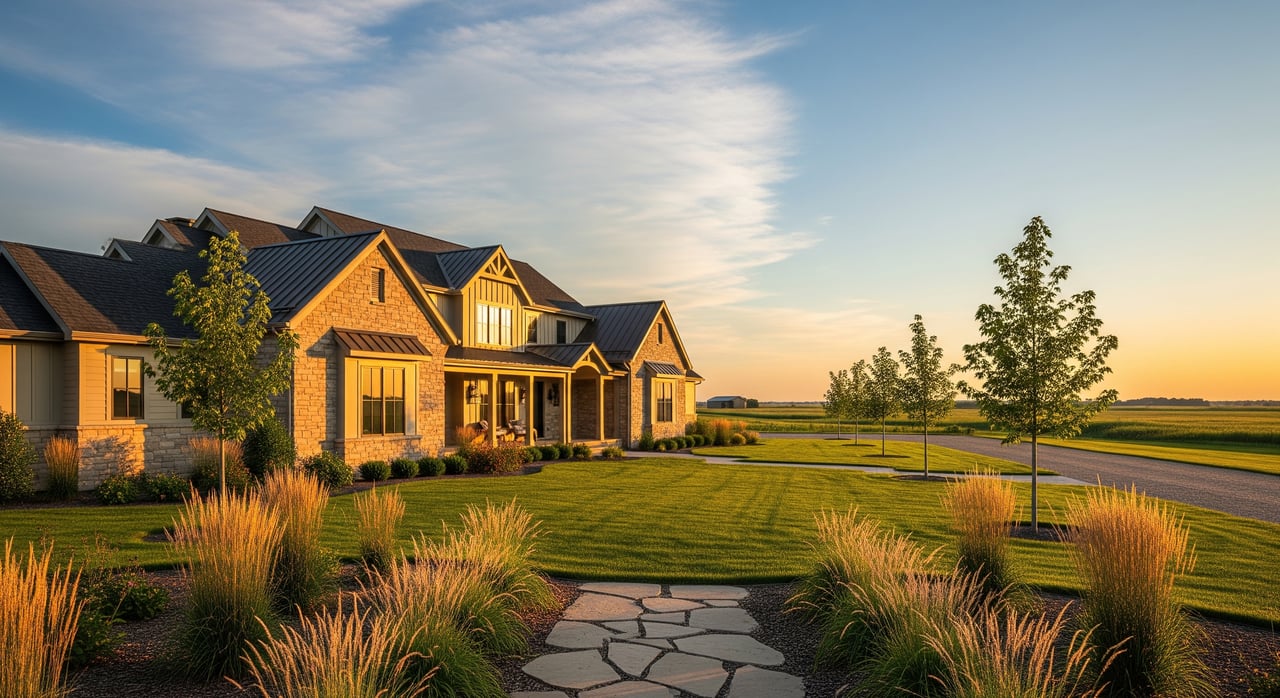
Are you torn between the convenience of Mitchell and the breathing room of a nearby small town or rural acreage? It is a real choice many buyers face in Davison County. You want the right fit for your budget, commute, and day-to-day life. This guide gives you a clear framework to compare Mitchell with Ethan, Alexandria, Mt. Vernon, Parkston, and rural properties so you can move forward with confidence. Let’s dive in.
Mitchell vs. nearby towns at a glance
Mitchell serves as the regional hub for Davison County and surrounding communities. You will find the widest range of jobs, shopping, healthcare, higher education, and county-level services in town. That broader base usually means more housing options and quicker resale.
Nearby towns like Ethan, Alexandria, Mt. Vernon, and Parkston are smaller and more residential. Services are more limited, but community identity often feels strong. Many homes sit on larger lots or near agricultural land, and some rural parcels offer acreage just outside town limits.
The choice comes down to what you value most. Mitchell leans toward convenience and variety. Small towns and rural areas lean toward space, privacy, and a quieter setting.
Housing and lots: key differences
In-town Mitchell housing
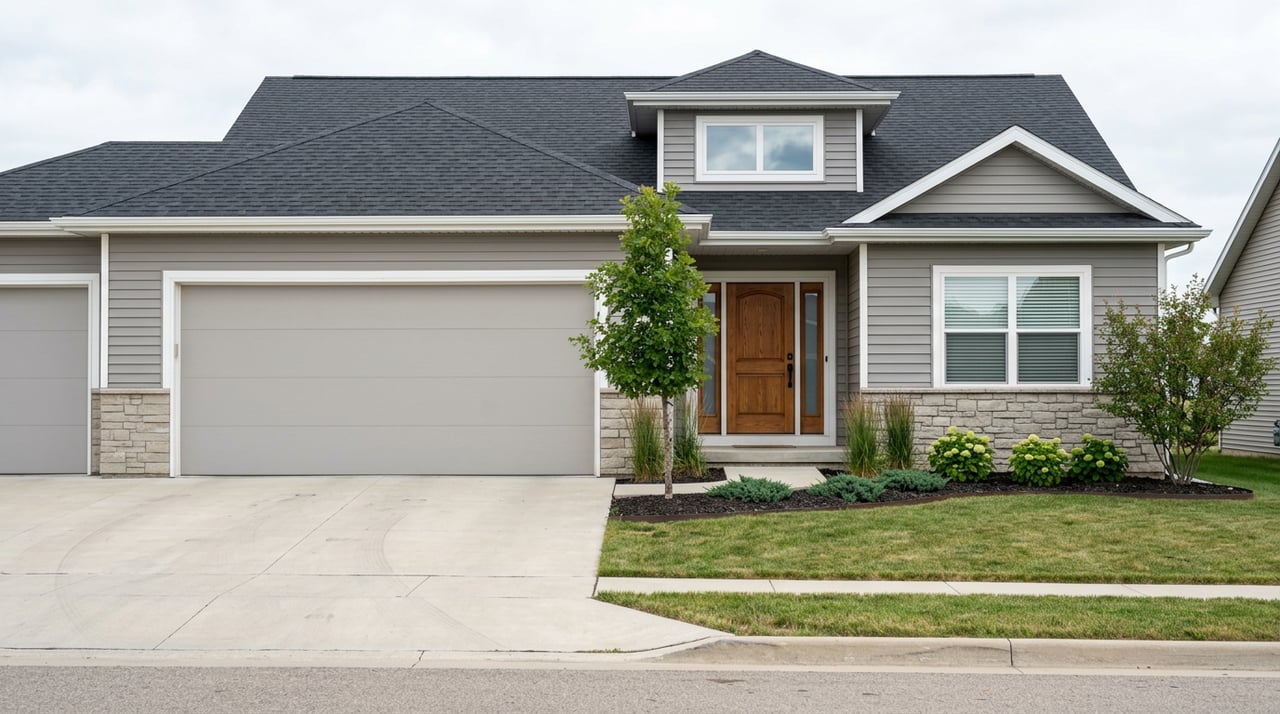
Mitchell offers a broad mix of homes. You will see single-family houses in established neighborhoods, townhomes and condos, and newer subdivisions at the edges. Lots tend to be smaller than in nearby towns, with sidewalks and municipal services like water, sewer, and garbage pickup.
Many older homes sit near the city core, with some infill builds sprinkled in. Zoning is more varied, which supports a wider range of housing types and price points across neighborhoods.
Small towns and rural options
Ethan, Alexandria, Mt. Vernon, and Parkston are dominated by single-family homes. Multifamily choices are fewer, and rentals can be limited. Yards often run larger, and some properties back to fields or open space.
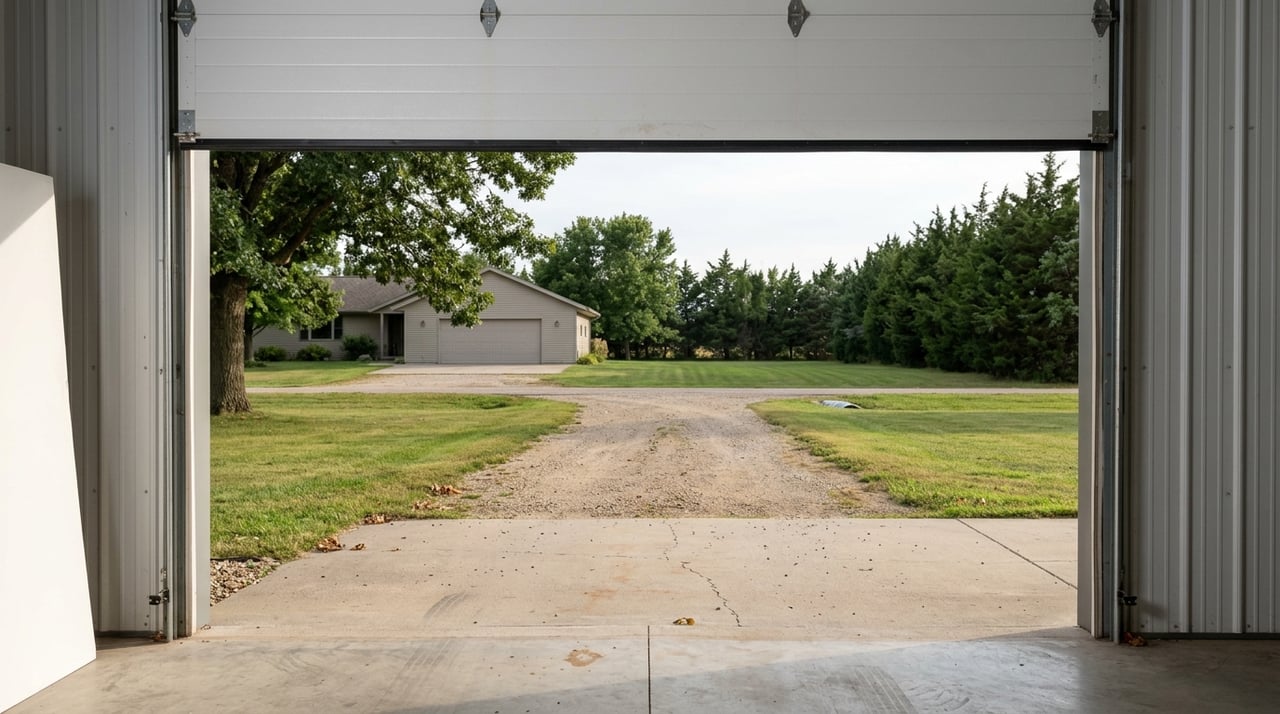
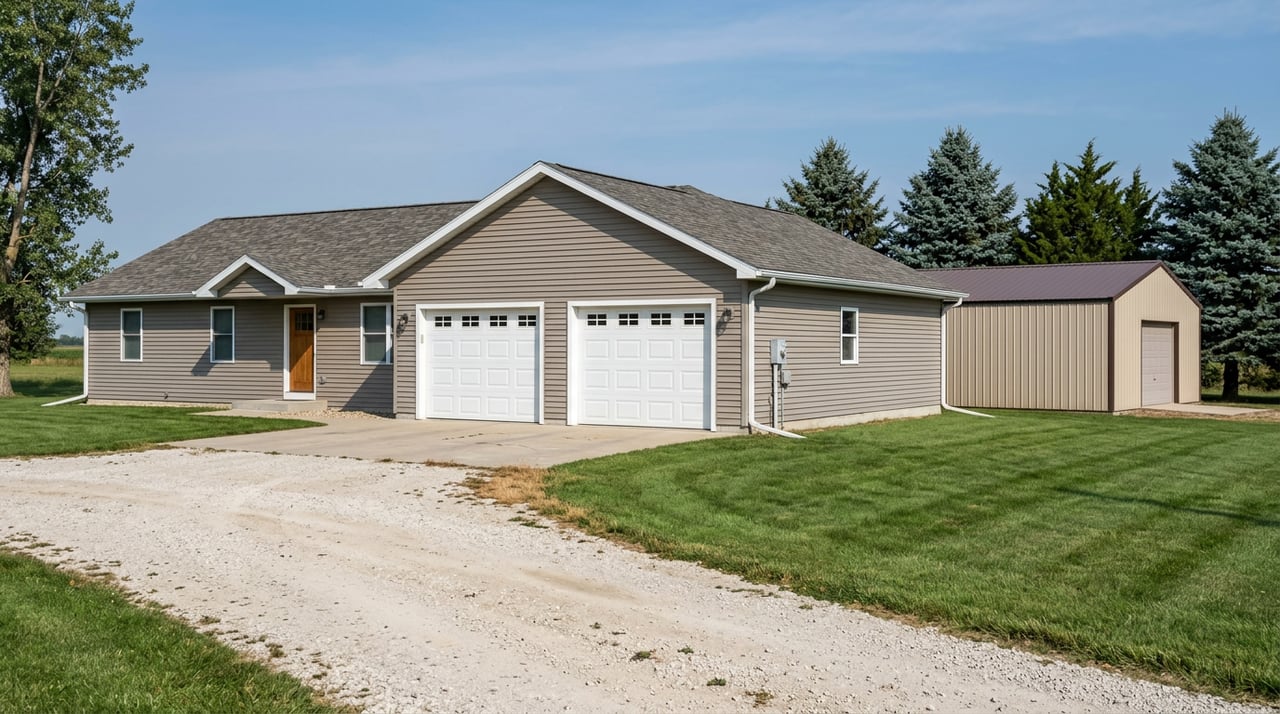
On the outskirts, you will find hobby farms, farmsteads, and acreage. Properties outside municipal limits may rely on private wells and septic systems. If you plan outbuildings or a home business, county zoning and permits will guide what is allowed.
Prices and market dynamics
When you compare places, keep your yardstick consistent. Look at like-for-like homes, such as 3-bed, 2-bath single-family properties, and review metrics like median sale price, price per square foot, days on market, and months of inventory.
Mitchell often commands higher prices for centrally located homes near services. It also tends to have more active listings and faster-moving inventory because it is the regional center. Smaller towns and rural homes can offer lower list prices or more house and land for the money, though larger lots can raise the total price even if the per-acre cost is lower.
Be cautious with small-town statistics. A handful of sales can skew medians. For rural acreage, values depend on access, drainage, usable acres, and outbuildings. Lean on multi-year views and recent comparable sales.
Commute, services, and lifestyle
Commute and transportation
Most nearby towns sit within a short drive of Mitchell employers. Consider your acceptable travel time, winter road conditions, and parking or shift schedules. If you rely on school buses or carpools, confirm routes and timing for your exact address.
Public transit options are limited in rural South Dakota, so personal vehicles are the norm. Remote work can soften commute needs, but confirm broadband at the property level.
Access to everyday services
Mitchell concentrates healthcare providers, specialty care, major grocery stores, retail, and dining. Small towns often offer a few local options, and residents frequently travel to Mitchell for more choices. For utilities, verify whether a property is on municipal water and sewer or uses private well and septic.
For education, each town has defined school district boundaries. Review official district information and resources to understand programs and extracurriculars without relying on general reputation.
Lifestyle trade-offs
In Mitchell, you are close to restaurants, shopping, events, and community services. Snow removal, streets, and sidewalks are typically managed by the city. Homes sit closer together, which can mean easier social connections.
In small towns and rural areas, you get more space and a calmer pace. You may also take on more maintenance, especially with wells, septic systems, or longer driveways. Expect the sights and sounds of an agricultural region, including seasonal equipment traffic and farm activity.
How to decide: a simple framework
Define non-negotiables. Set your maximum commute, budget, bedroom and bathroom count, school or care needs, and whether you require municipal services or can manage well and septic.
Prioritize lifestyle trade-offs. Rank convenience versus space, community activity versus privacy, and DIY maintenance versus municipal support.
Gather local data. Review recent comparable sales, lot size ranges, property taxes, utility availability, school resources, broadband speeds, and commute estimates.
Visit and compare. Tour similar homes in Mitchell and each target town on different days and times. Note traffic, noise, community feel, and how the area functions after dark or on weekends.
Check resale and liquidity. Ask your agent about days on market for comparable homes and typical buyer pools in each location.
Inspect for rural-specific issues. For properties on acreage or outside town limits, plan for well water testing, septic inspections, drainage checks, private road agreements, and any easements.
Buyer checklist: quick scan
- Typical drive time from the home to your workplace and services in Mitchell.
- School district boundaries and available programs or extracurriculars.
- Nearest urgent care and hospital access.
- Utilities: municipal water and sewer or private well and septic; garbage and recycling pickup details.
- Broadband and mobile coverage for the exact address.
- Property taxes, special assessments, and any HOA or road maintenance fees.
- Seasonal road maintenance and snow removal responsibilities.
- Zoning and permitted uses for outbuildings, hobby farms, or home businesses.
- Community amenities: parks, libraries, community centers, volunteer groups, and local events.
Smart questions to ask locally
- What buyer profiles are most common here, and why do they choose this town or area?
- How many comparable homes sold in the past 12 months, and how long did they take to sell?
- Are any planned developments or levies likely to affect taxes, roads, or services soon?
- Who maintains the road in winter, and how quickly is it cleared after a storm?
- Are there any nearby uses, like grain handling or livestock, that create noise or odors at certain times of year?
Local guidance and next steps
Your best fit might be a Mitchell neighborhood near work and schools, a small-town home with a larger yard, or a rural acreage with room to grow. The right answer depends on your budget, commute tolerance, and how much you value space versus convenience.
A local expert can help you compare like-for-like homes, verify utilities and zoning, and weigh resale risk across Mitchell, Ethan, Alexandria, Mt. Vernon, Parkston, and rural Davison County. If you want a side-by-side comparison that matches your goals, reach out to the team at Mitchell Realty LLC.
FAQs
Will I save money by buying outside Mitchell?
- Often you can get more space or a lower price for similar living area, but remember to factor in commute costs, well and septic maintenance, and winter driving.
How do property taxes compare across Davison County towns?
- Rates vary by city, county, and special districts. Check current mill levies and assessments for the specific property to understand your annual cost.
Is broadband reliable for remote work in rural Davison County?
- It depends on the exact address. Confirm providers, advertised speeds, data caps, and any planned upgrades before you write an offer.
Are rural and small-town homes harder to sell than in Mitchell?
- The regional hub usually sees faster sales. Small-town and rural homes can sell well to defined buyer pools; recent local comps give the best picture.
What extra inspections should I order for acreage or edge-of-town homes?
- Plan on well water testing, septic inspection, drainage review, and checking road maintenance agreements and any easements tied to the property.