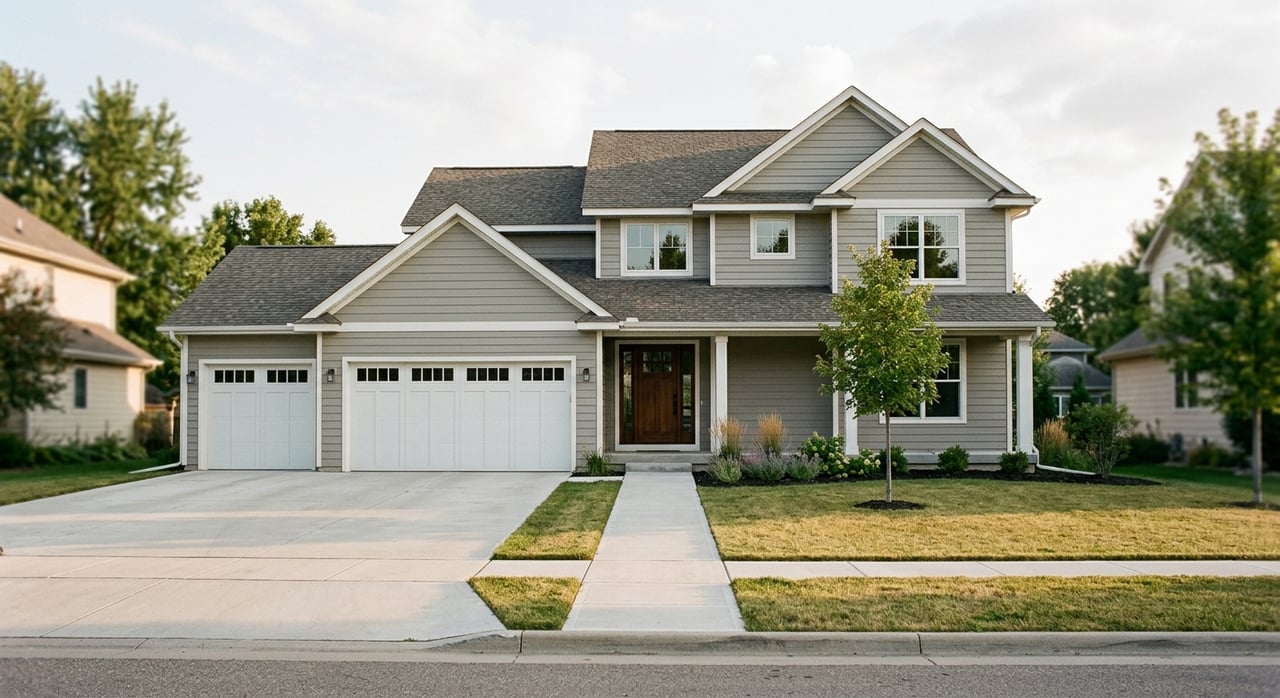
What happens to your earnest money after your offer is accepted? If you are buying in or around Mitchell, it can feel like a mystery. You want to show the seller you are serious without risking more money than you should. This guide breaks down how earnest money works in South Dakota, what is typical in Davison County, when it is refundable, and how to protect it. Let’s dive in.
Earnest money basics
Earnest money is a deposit you pay after a seller accepts your offer. It shows good faith and commitment to the purchase. If you close, the deposit is credited to your down payment or closing costs. It is not an extra fee.
In most Mitchell-area transactions, the deposit goes into a trust or escrow account held by a neutral party. This is usually a title or escrow company, a closing attorney, or a real estate brokerage trust account. Your purchase agreement gives instructions on when and how the funds are released.
You can usually pay by personal check, cashier’s check, wire, or electronic transfer. The escrow holder sets the accepted methods and timing, which your agent will confirm for you.
Typical amounts in Mitchell and Davison County
Local practice in Davison County is often more flexible than in bigger metro areas. Many sellers accept modest deposits that still show serious intent.
- Lower-priced homes: commonly $500 to $2,500
- Average-priced homes: commonly $1,500 to $5,000 or around 1% of the price
- Higher-priced or very competitive offers: 1% to 2% or more
Here is a simple example. On a $200,000 home, 1% equals $2,000. Two percent equals $4,000. Your agent will help you choose a number that fits the property, your financing, and the level of competition.
Several factors influence the right amount:
- Competition for the property and whether there are multiple offers
- Seller expectations set by the listing agent
- Your financing type and the strength of your approval
- Whether you offer other perks such as a quick closing or fewer contingencies
- The price point, since lower-priced homes often use a flat-dollar deposit
Because norms vary by property and listing agent, ask your agent to check recent accepted offers and, when appropriate, ask the listing agent what the seller considers reasonable.
When your deposit is refundable
Your earnest money is refundable when your contract includes a valid contingency and you cancel in writing before the deadline. If you back out without an allowed reason or after a deadline, you may forfeit the deposit. The exact outcome depends on your contract.
Inspection contingency
The inspection contingency lets you order inspections and request repairs, credits, or cancellation. Inspection periods are often 7 to 10 calendar days, but you can negotiate the timeline. If you cancel within the inspection window per the contract, your earnest money is typically returned.
Financing contingency
The financing contingency gives you time, often 21 to 30 days, to obtain full loan approval. If your lender denies the loan within this protected period and you follow the contract’s notice steps, you can usually cancel and receive a refund. If you miss deadlines or remove the contingency before you are fully approved, you lose that protection.
Appraisal contingency
If the appraisal comes in below the purchase price, an appraisal contingency lets you renegotiate or cancel. If the issue cannot be resolved and you stay within the allowed timeline, you can typically terminate and receive your deposit back.
Title contingency
You have the right to review the title commitment and raise objections to defects. The seller must clear the problem or you can cancel within the time allowed and recover your earnest money.
Sale-of-home and other contingencies
Some buyers make the purchase contingent on selling their current home. These are often less attractive to sellers, especially in competitive situations. Other common protections include well or septic tests, HOA document review, lead-based paint disclosures, and local permit checks. As with all contingencies, follow the contract exactly and track dates closely.
Removing contingencies
Once you remove a contingency in writing, you give up that protection. Get every removal, extension, and agreement in writing. A verbal promise does not usually protect your deposit.
What happens if there is a dispute
If both parties agree to cancel, the escrow holder can release the funds when everyone signs written instructions. If you and the seller disagree, the escrow holder will usually continue to hold the funds until you reach a mutual agreement or until the dispute is resolved through the process in your contract. Many contracts call for mediation or arbitration. Some forms include liquidated damages clauses that define the seller’s remedy. Others allow damages beyond the earnest money. Ask your agent to review the form with you and, if needed, consult a real estate attorney.
Offer process and timelines in Mitchell
Here is what to expect once you are ready to write an offer in the Mitchell area.
- Offer and deposit timing. Your offer will include your proposed earnest money and who will hold it. If the seller accepts, the deposit is usually due right away, often upon acceptance or within 48 to 72 hours. Confirm the exact timing in your contract.
- Inspection window. The inspection period typically starts on acceptance. Schedule your inspections quickly and leave enough time to receive reports and negotiate repairs or cancellation.
- Financing and appraisal. Apply for your loan right away. Your lender will order the appraisal. These steps often run in parallel with inspections and must clear within your financing timeline.
- Title review and closing prep. The title company issues a title commitment. You review it, the seller addresses any issues, and your closing package comes together.
- Closing. On closing day, your earnest money is credited toward your cash to close.
How to protect your earnest money
A few simple habits go a long way.
- Keep all contingencies until you are ready to remove them. Do not remove a protection until you are confident you can close without it.
- Track every deadline in writing. Put inspection, appraisal, financing, and title dates on your calendar and set reminders.
- Communicate in writing. Send requests and notices by the method required in your contract. Keep copies of everything.
- Verify wiring instructions by phone. Call your title or escrow company using a trusted number you already have. Do not rely on email alone. Wire fraud is real and timing is tight.
- Confirm who holds your deposit. Ask your agent and the contract should name the escrow holder. Get a receipt when you pay.
- Act fast on inspection findings. If you plan to cancel, do it before your deadline and follow the notice steps in your contract.
Local norms for escrow and closing
In South Dakota, many closings are handled by title companies or closing attorneys. In Davison County, it is common to use a title company or another neutral escrow holder named in the contract. Ask about the exact account type, acceptable payment methods, and clearing times for your deposit so you can plan your cash needs.
Smart strategies for your offer
You can use your earnest money to strengthen your offer without taking on unnecessary risk.
- Calibrate the amount. In many Mitchell-area deals, a flat amount for lower-priced homes or about 1% for average-priced homes is common. In multiple-offer situations, you might increase the deposit to stand out.
- Pair the right timelines. Shorter inspection or financing periods can appeal to sellers if you can meet them. Just be sure your lender and inspector can perform on schedule.
- Keep key protections. If you increase your deposit for competitiveness, keep your core contingencies unless you fully understand the consequence of waiving them.
- Show readiness. Provide a strong preapproval and a clear plan for closing. Sellers notice when your paperwork is in order.
Local next steps
- Ask your agent for examples of accepted offers in Davison County, including typical earnest money amounts in your price range.
- Review the standard South Dakota purchase agreement and any local addenda your agent uses often.
- Confirm deposit procedures with the chosen title or escrow company before you wire or deliver funds.
- If you have questions about liquidated damages, dispute resolution, or escrow release language, consider consulting a real estate attorney.
Buying here is about clarity, timing, and good communication. With the right plan, your earnest money will support your offer and flow smoothly into your closing.
If you are ready to craft a confident offer in Mitchell or the surrounding area, connect with a local expert. The team at Mitchell Realty LLC can help you set the right deposit, structure smart contingencies, and navigate timelines with ease.
FAQs
How much earnest money should a Mitchell buyer offer?
- Many buyers use a flat amount for lower-priced homes and around 1% for typical homes, with higher amounts in competitive situations.
When is earnest money refundable after inspections?
- If you cancel within the inspection contingency period and follow your contract’s notice steps, your deposit is usually returned.
Can a seller keep my earnest money if they reject my offer?
- No, if there is no accepted contract, your deposit is returned; disputes arise only after a contract is signed and then a default or contested cancellation occurs.
What happens if the appraisal is lower than the price?
- With an appraisal contingency, you can renegotiate or cancel within the allowed timeline; without it, you may need extra cash or risk forfeiting your deposit if you cannot close.
Who holds the earnest money in Davison County?
- A neutral party such as a title company, attorney, escrow agent, or a brokerage trust account typically holds the funds as stated in the contract.
When do I pay the earnest money after acceptance?
- Most contracts require payment upon acceptance or within 48 to 72 hours; check your agreement for the exact deadline.
How can I avoid losing my earnest money?
- Keep and manage contingencies, meet deadlines, communicate in writing, work promptly with your lender and inspector, and verify wire instructions by phone.